


Soil pH is one of those numbers that sounds like homework until you see what it actually does. Two gardens on the same street can grow wildly different plants, and the reason is often a quiet difference in acidity. Get the pH roughly right for what you want to grow, and feeding, watering and mulching all start to work better. Get it wrong, and you can spend a couple of seasons wondering why certain plants sulk no matter how kind you are to them.
What the pH scale actually means
Soil pH runs from about 3 (extremely acid) to 8.5 (strongly alkaline), with 7 as neutral. It measures hydrogen ions in the soil water, and it is a logarithmic scale, which is the important bit. Moving from pH 6 to pH 5 doesn't mean the soil is a bit more acid; it means it is ten times more acid. That is why a small-looking change on a test result can matter quite a lot to a plant.
Across the UK you'll meet three broad situations. Sandy and peaty soils, especially in heathland areas, tend to be acid. Clay and loam in most of lowland Britain sits somewhere between pH 5.5 and 7. Chalk and limestone areas give you alkaline soil, often pH 7.5 or higher, with pale stones in the subsoil that fizz if you drip vinegar on them.
Most vegetables, annuals and hardy perennials are happiest between pH 6 and 7. It's the extremes that cause trouble, in both directions.
Why pH changes what your plants can eat
Nutrients in soil are not simply present or absent; they are available or locked up. In alkaline soil, iron and manganese become much harder for roots to take up. That's the classic yellowing between the veins on a rhododendron or blueberry, even when the plant is fed. In very acid soil, phosphorus and molybdenum become less available, and soil bacteria and worms work more slowly, so organic matter breaks down at a gentler pace.
pH also affects disease. Clubroot in brassicas struggles in alkaline conditions, which is why old allotment advice often involves liming a bed before planting cabbages. Potatoes go the other way: they prefer acid soil, and liming before a potato crop tends to encourage common scab.
Testing your soil
You don't need a laboratory to get a useful answer. Take samples from several spots rather than one, because pH varies across a garden, especially where there's been a compost heap, a concrete path or years of leaf fall.
- Home colour kits: cheap, quick and accurate enough for gardening decisions. Mix soil with the supplied solution, add the powder, and compare the colour against the chart in daylight rather than under a kitchen bulb.
- Probe meters: convenient, but they drift and need calibrating. Test the same sample twice and see whether you get a similar reading before trusting it.
- Professional soil analysis: worth it if you're taking on a new plot, planning a fruit bed, or have a puzzling problem. You'll get pH plus nutrient levels and often a texture assessment.
Sample from about 10–15cm down for beds and borders, deeper for lawns and established shrubs. Mix the cores in a clean bucket, let them dry a little, then test. Repeat every two or three years, and always retest the season after you've limed, because it's easy to overshoot.
Plants can give you hints too. Heather, bilberry, sorrel, foxgloves and rhododendrons suggest acid ground. Chalky subsoil, stony white patches and thriving lavender, rosemary and scabious point the other way. Treat these as clues rather than proof, and confirm with a test.
Raising pH with lime
If your soil is too acid for what you want to grow, garden lime is the usual fix. Ground limestone (calcium carbonate) is the standard choice. If your soil is also low in magnesium, dolomitic lime supplies both. Both are slower and gentler than quicklime, which is best left alone in a domestic garden.
Apply lime in autumn or early winter on bare, roughly dug soil, and fork it into the top 10–15cm. Don't spread it at the same time as manure or nitrogen fertiliser; the two react and you lose nitrogen to the air. Leave several weeks between them. Lime also moves slowly through soil, so little and often beats a heavy dose. On sandy soil it washes down faster and will need repeating; on clay it lingers.
Two rules worth remembering
- Never lime a bed you're about to plant with potatoes.
- Do lime before brassicas if clubroot has been a problem, aiming for a slightly alkaline soil.
Lowering pH, or working around it
Making soil more acid is harder than making it alkaline, and on chalk it's close to impossible in open ground. Elemental sulphur will slowly acidify soil over several months, and ericaceous compost is a sensible answer for pots and for planting pockets, but roots will eventually grow out into the surrounding alkaline soil and start to yellow.
If you garden on chalk and long for blueberries or camellias, grow them in containers of ericaceous compost and water with rainwater where you can. Pine needles and coffee grounds make decent mulches but won't shift pH meaningfully, whatever you may have read.
Matching plants to your soil
It's far less effort to choose plants that suit your soil than to fight it forever.
- Acid lovers (roughly pH 4.5–5.5): rhododendron, camellia, pieris, heather, blueberry, magnolia, Japanese maple.
- Happy slightly acid to neutral: most roses, apples, pears, potatoes, courgettes, beans, flowering cherries.
- Content on the alkaline side: lavender, rosemary, thyme, clematis, buddleja, bearded iris, brassicas, beetroot, spinach.
A practical plan for this season
- Test three or four spots in your garden and write the results down with the date.
- Decide what you actually want to grow, then check how far off your soil is.
- If you're close, adjust with compost and mulch rather than chemistry. Organic matter buffers pH and improves soil either way.
- If you need a real change, lime in autumn or sulphur in spring, then retest the following year.
- Where soil can't be shifted, use containers or raised beds with a compost mix you control.
Soil pH is a long game, not a quick fix. Test it, work with it, and your plants will spend less energy coping and more energy growing.
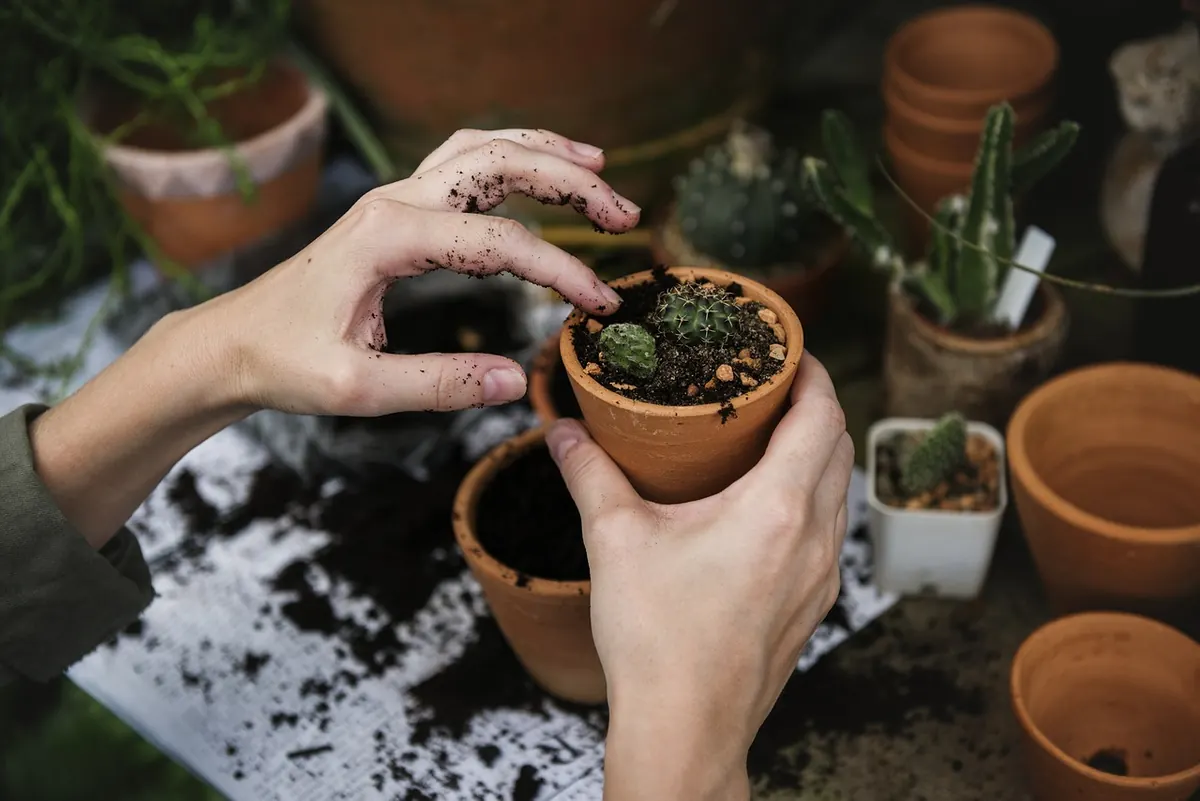
Photo: rawpixel / Pixabay