



Keen gardeners often assume a small plot means a small bill. Then the quotes arrive and the numbers look oddly similar to those for a garden three times the size. There's a reason for that. In a compact space, the fixed costs — access, groundwork, waste removal, the base under the paving — don't shrink with the square footage. You're paying mostly for preparation, and preparation costs what it costs. Here's where the money goes in a typical small British garden, and how to keep the total sensible.
What actually drives the price
Plot size matters, but it's rarely the deciding factor. Four things move the number more than area does.
- Access. A terraced house with a narrow side return, steep steps or no rear access means materials get barrowed through the house or lifted over the roof. That's hours of labour you're paying for.
- What's already there. Breaking out an old concrete patio, removing stumps and hauling away rubble can cost as much as the new surfaces going on top.
- Ground conditions. Heavy clay, poor drainage and compacted subsoil all need sorting before anything looks good.
- Materials and detailing. Porcelain, natural stone, hardwood and brick edging sit at the top end. Concrete slabs, gravel and softwood sit at the bottom.
- Local labour rates. The same job can vary substantially between a small town in the north and a London postcode.
Ballpark costs at a glance
No two gardens quote the same, and regional differences are wide, so treat these as starting points for a conversation rather than a quotation. Check local prices before you plan anything.
- Paving, supplied and laid: broadly £70–£150 per square metre for a typical patio. Porcelain and large-format stone push past that; basic concrete slabs and gravel come in below.
- Turf, laid: roughly £8–£15 per square metre, plus stripping, rotovating and improving the soil underneath.
- Grass seed: a fraction of the cost per square metre, but slower and dependent on you watering it.
- Fencing: around £60–£120 per panel fitted, including posts, concrete and labour. Slopes and awkward corners add to it.
- Planting: about £30–£80 per square metre for a well-planted border with soil improver and mulch. Mature specimens can cost many times that.
- Labour: expect a day rate in the region of £150–£300 per person, depending on region and experience.
For a modest 5m x 5m garden needing a small patio, new turf, one run of fencing and a couple of planted beds, a total somewhere between £3,000 and £7,000 is realistic — more where access is difficult or the ground needs serious work.
Paving, paths and patios
Paving usually takes the largest share of a small garden budget, and it's the part most worth getting right. A patio is only as good as what's under it: a compacted sub-base, a proper bed, and a fall of about 1 in 60 away from the house so water runs off rather than pooling at the back door.
Roughly half the cost of a paved area is groundwork and labour, not the slabs. That's why switching from sandstone to a cheaper slab often saves less than people expect, while money spent on the base repays itself every winter.
Cheaper options that still look good
- Gravel or self-binding gravel over a properly prepared base — cheap per square metre, quick to lay, less pleasant to drag furniture across.
- Reclaimed brick setts in a mixed pattern.
- A smaller patio with a planted edge instead of paving wall to wall.
Lawn, beds and planting
Grass is the cheapest way to cover ground, but turf and seed are different propositions. Turf gives you an instant lawn and needs watering daily for the first fortnight in dry weather. Seed is far kinder to the wallet, but you need weeks of patience and a decent seed bed.
Whichever you choose, spend money on the soil first. On new-build plots especially, the topsoil is often a thin layer over rubble, and neither turf nor plants will thrive on it. Importing proper topsoil and well-rotted organic matter costs up front and saves a fortune in replacements later.
For planting, the temptation is to buy large. In a small garden a handful of good structural shrubs — a choisya, a clipped box or yew, a small acer — will do more than twenty cheap bedding plants. Perennials and bulbs fill the gaps for very little.
Fencing and boundaries
A fence is priced by the panel, but the labour is in the posts. Set them in concrete at the right depth or the whole run will lean within a couple of seasons, and sloped ground or a gate adds time to the job.
Before you replace a boundary fence, check whose it is. Boundaries are usually described in your title deeds and, on older properties, are not always where you assume. If there's any doubt — particularly with a neighbour — take proper advice before work starts rather than after.
Labour, waste and the extras nobody mentions
- Waste removal. Skip hire and disposal are a genuine line item, and a full rebuild can fill more than one.
- Drainage. Soakaways, gutter connections, channel drains and permeable paving all cost extra and are easy to overlook.
- Edging and joints. Small items individually, but they add up across a patio.
- VAT. Most domestic landscaping work is standard-rated. If a quote looks unusually low, check whether VAT is included.
- Lighting and irrigation. Lovely, optional, and far cheaper to install before the paving goes down than after.
How to keep the cost down
- Do the demolition and clearance yourself if you're able. A skip and a weekend with a sledgehammer are cheaper than a landscaper's time.
- Decide everything before work starts. Changes mid-job are the quickest way to blow a budget.
- Spend on structure, save on surface. Drainage and sub-base matter more than the fanciest slab.
- Plant small and let things grow. A two-litre shrub costs a fraction of a mature one and often establishes faster.
- Phase the work. Get the hard landscaping right now and add planting next spring.
Getting quotes and paying sensibly
Get at least three written quotes, and make sure they describe the same job. One firm quoting a 50mm sub-base and another quoting 100mm are not comparable, even if the totals look similar. Ask what's included: waste removal, VAT, making good, and who supplies the materials.
On larger jobs it's normal to pay in stages as work is completed, with a modest deposit up front. Be wary of any request for a large sum before work begins, and check that the firm holds public liability insurance. If your garden involves retaining walls, significant changes in level, drainage or a boundary dispute, take professional advice — a surveyor or solicitor's fee now is cheaper than putting it right later. And if you're borrowing to fund the work, speak to an adviser before signing a credit agreement.
Finally, keep it in proportion. A small garden is rarely improved by filling every square metre. Leave some space, choose a few materials you actually like, and the budget will stretch further than you expect.
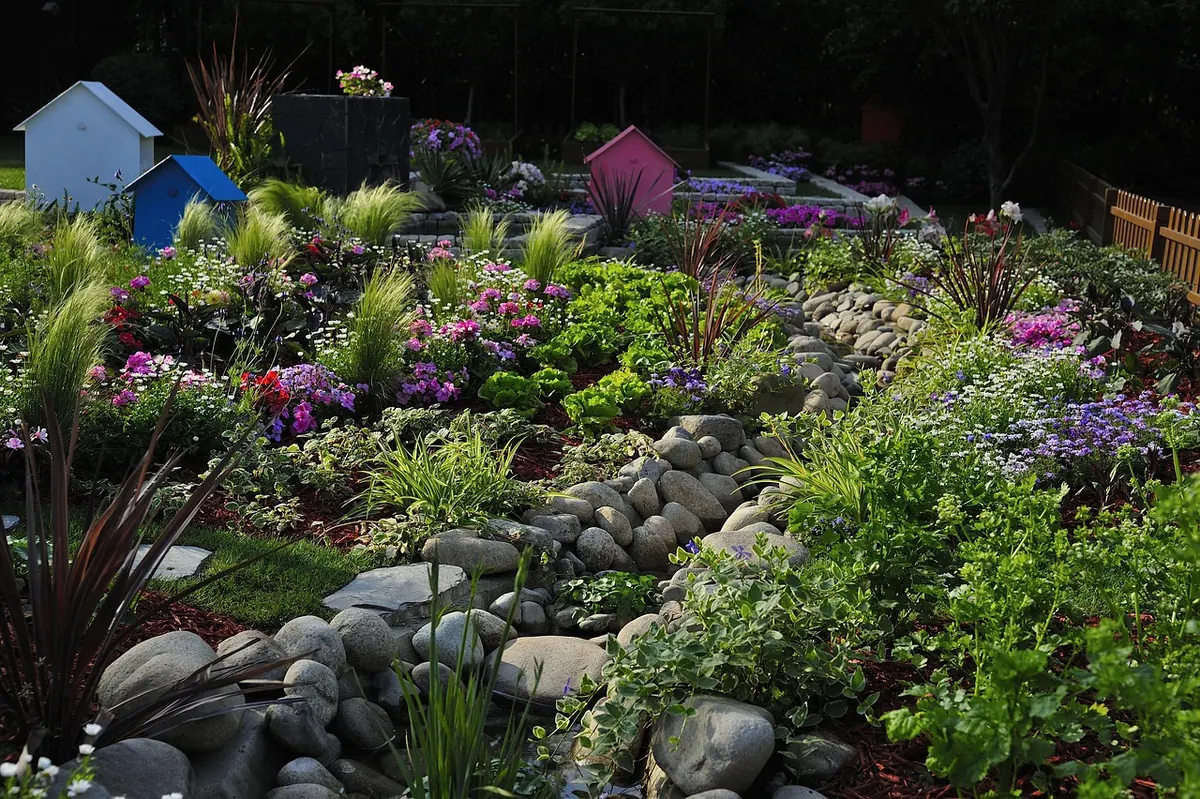
Photo: HeungSoon / Pixabay