

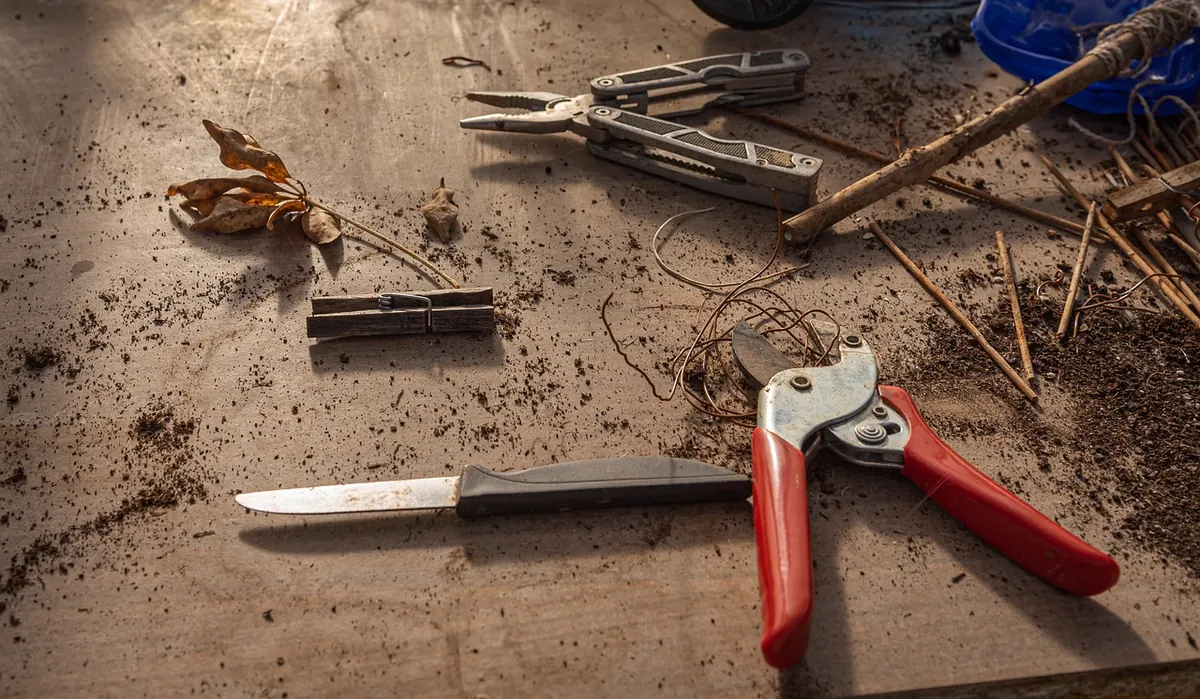
A good pair of secateurs will handle most of what a border throws at you. Then you meet a branch that shrugs them off. Loppers are the obvious step up, though they are not simply secateurs with longer handles. The trade-off between control, reach and cutting power decides which tool belongs in your hand, and it is worth thinking through before you spend money on the wrong one.
Cut size and reach: the two things that decide it
Cutting capacity is the first dividing line. A decent pair of bypass secateurs will manage green stems of roughly 10–15mm comfortably, and some will take 20mm if the wood is soft and your grip is strong. Push much beyond that and you are forcing the tool, which leaves a ragged wound on the plant and wears the blade edge.
Loppers, with their longer handles, typically take 30–45mm depending on length and gearing. Handle length is leverage: a longer handle multiplies the force you can put into the blade, which is why a pair of 60cm loppers cuts far more than their blade size suggests.
Reach matters as much as size. Secateurs keep your hand within arm's length of the cut, which is exactly what you want for precise work. Loppers let you stand back, keep your feet out of a wet border, and get at stems in the middle of a congested shrub or just above head height.
Above roughly 45mm, neither tool is the answer. That is a pruning saw's job.
What secateurs do best
Secateurs are one-handed, close-quarters tools. That combination makes them right for the fiddly, frequent work that fills most gardening hours: deadheading, cutting back perennials, shaping roses, snipping soft growth on shrubs, thinning crowded stems, taking cuttings.
One-handed operation is more useful than it sounds. You can hold a stem steady with your free hand and place the cut exactly where you want it, a few millimetres above a bud or an outward-facing shoot. Try that with loppers and you will be juggling the branch, the tool and your balance at once.
They also go where loppers cannot: between the stems at the base of a congested shrub, around a plant support, inside a crowded container, tight against a wall. If your garden is small, or mostly pots and perennials, secateurs will do the great majority of your cutting.
What loppers do best
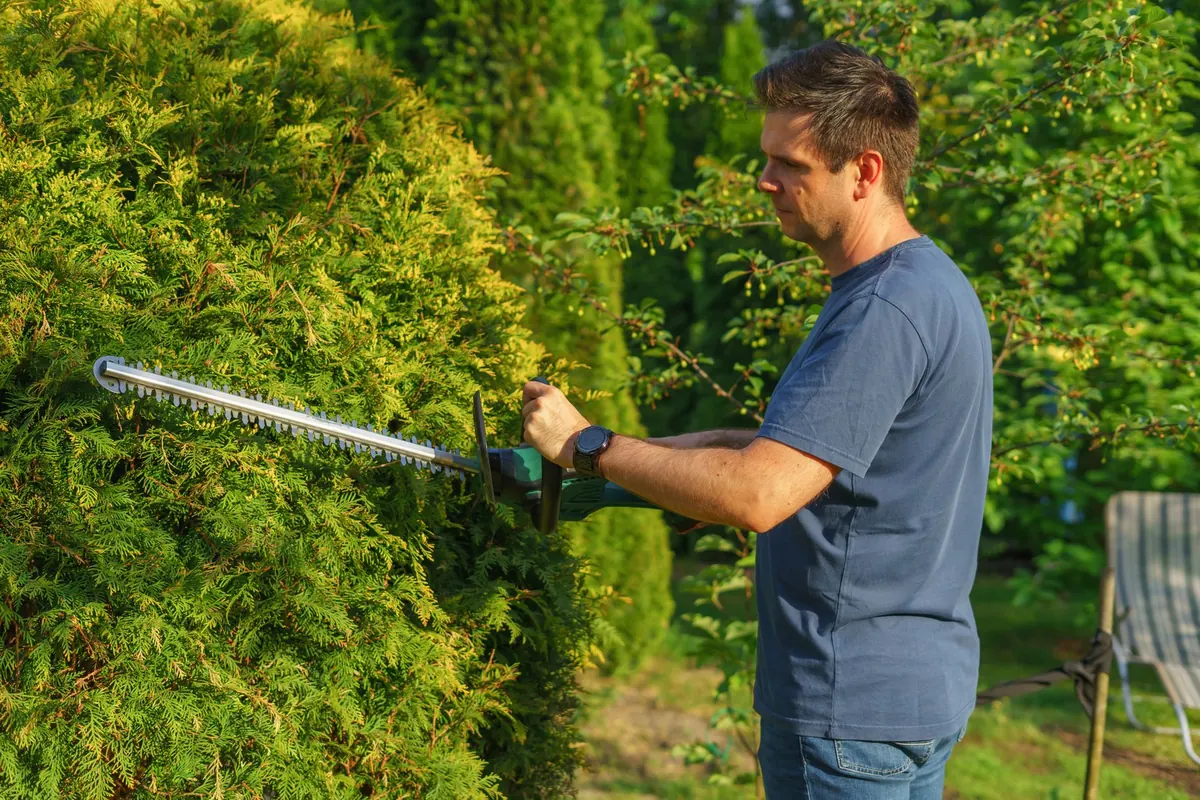
Loppers earn their place on woody material. They are the tool for cutting back leggy shrubs, removing the oldest stems from a congested shrub at ground level, tidying a hedge that has got away from you, and clearing branches from a path. Two hands on the handles mean more force and, for many people, less strain than squeezing secateurs repeatedly.
If grip strength is an issue, ratchet loppers are worth a look. A ratchet mechanism lets you close the blade in stages, so each squeeze needs less force, at the cost of speed. Geared loppers do something similar with a compound linkage. Both are slower for a hundred small cuts and better for twenty bigger ones.
The downsides are real. Loppers are heavy, clumsy in tight spaces, and give you almost no fine control. Reaching overhead with a heavy pair tires your arms quickly, and tired arms make bad cuts.
Bypass or anvil? Choose the blade before the handle
Bypass
A curved blade slices past a hooked lower jaw, like scissors. The cut is clean, which matters on living wood because a clean wound closes and heals more readily. Bypass blades suit green stems, roses and anything you want to regrow neatly. They come as both secateurs and loppers.
Anvil
A straight blade closes onto a flat bed. This crushes the stem slightly and can leave a bruised end, which is fine on dead wood and brittle branches that would otherwise twist out of a bypass blade. Avoid anvil blades for cuts on living stems you want to heal cleanly.
Handles, weight and fit
Aluminium handles are light, wooden ones feel warmer and absorb shock, and telescopic loppers extend your reach while adding weight and flex. Think about how long you will hold the tool, not how far it stretches. Secateurs with rotating handles or a smaller grip suit smaller hands and tired wrists, and left-handed versions of both tools are available from several makers.
A quick way to decide
- Think about the thickest stems you cut in a normal week. Under 15mm, secateurs will do it.
- If you regularly deal with branches between roughly 20mm and 45mm, that is lopper territory.
- Look at where the cut is. In the open, at chest height or lower, loppers are comfortable. Among crowded stems or tight against a wall, secateurs win.
- Consider your hands. If squeezing a handle all afternoon leaves you sore, ratchet loppers or lighter secateurs may suit you better.
- If you can only buy one tool this year, buy good secateurs and borrow loppers for the occasional branch.
- Anything thicker than 45mm, or higher than you can work safely, is a saw job or a professional's job.
Getting more from both tools
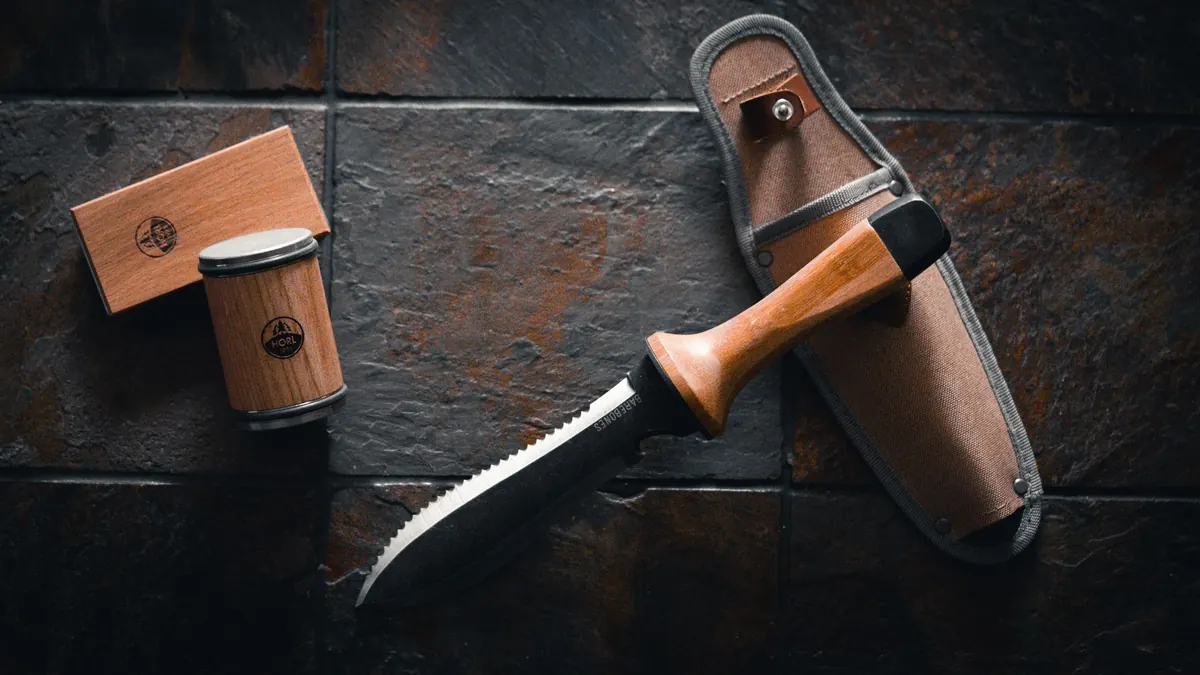
Sharp blades do more of the work than strong arms. A blunt bypass blade bruises the stem and slips, which is how a straightforward prune turns into a ragged mess. A few strokes with a diamond file, following the existing bevel on the outer face only, will bring an edge back quickly.
Keep them clean too. Sap, soil and resin dull an edge and gum up the pivot. Wipe the blades after use, oil the pivot, and replace worn springs and bumpers rather than fighting a tool that no longer opens properly. If you are cutting material you suspect is diseased, clean the blades between plants — a wipe with methylated spirits, then a rinse and a light oil, is a sensible habit.
And do not force a cut. If you are leaning on the handles with both hands and the branch still will not part, the tool is wrong for the job. Move up to the next size of cutter, or down to a saw, and the plant, the branch and your shoulders will all be better off.
Photo: AndreasGoellner / Pixabay